Millions of people in Germany prefer to read about important decisions in their first language. Here's what we learned building websites in up to six languages.
Germany is one of the most multilingual countries in Europe. Millions of residents grew up speaking Turkish, Arabic, Russian, Polish, Ukrainian or another language at home — and when it comes to important decisions like insurance, energy contracts, healthcare or a new job, many of them would much rather read the details in their first language.
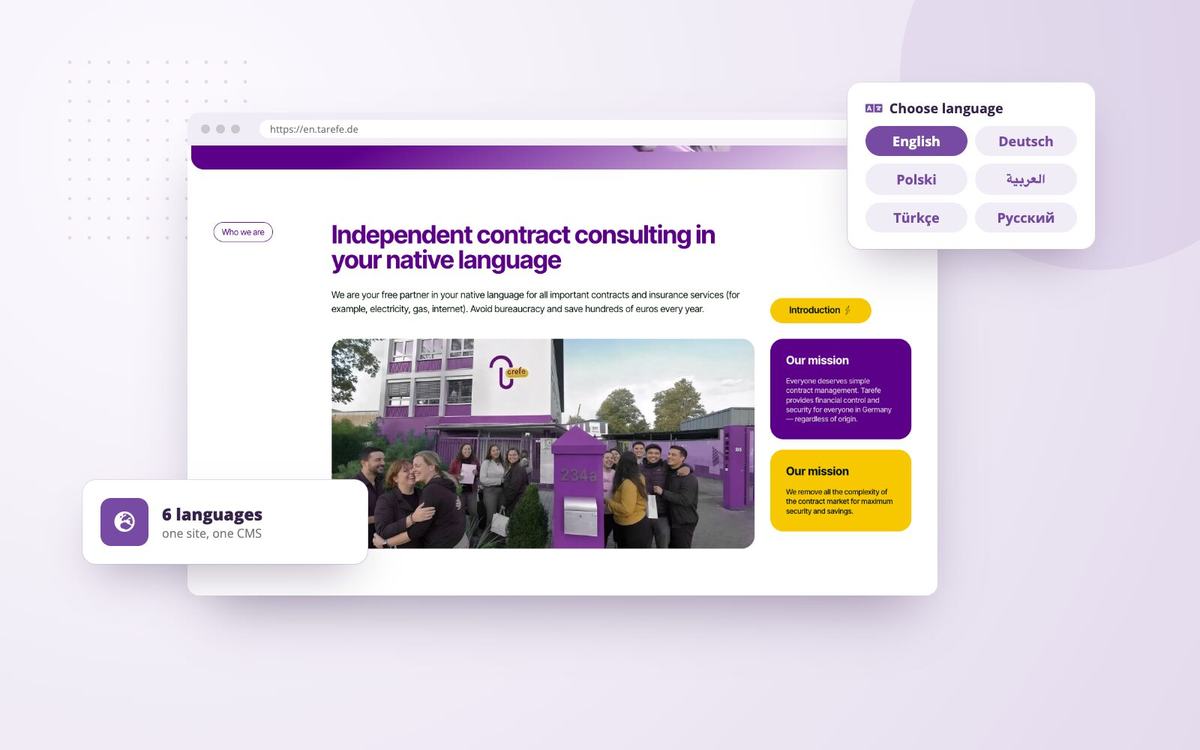
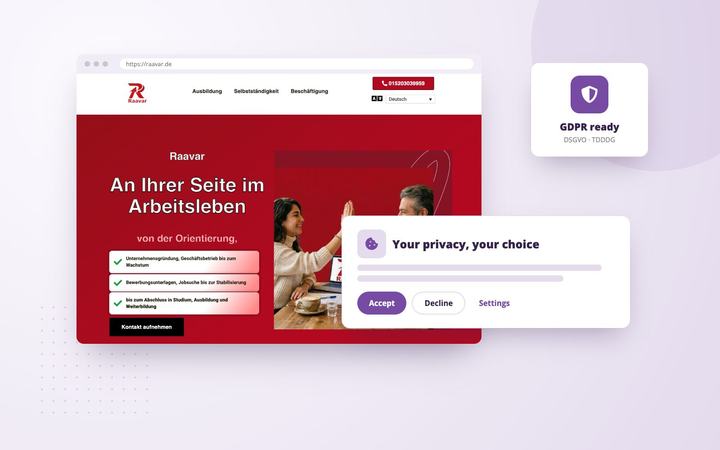
For businesses that serve these communities, a multilingual website isn't a nice extra. It's often the reason a customer chooses you over a competitor. Here's what we've learned from building sites like Tarefe (six languages) and Raavar.
1. Translate the message, not just the words
Machine translation is a good starting point, but customers notice when a page “sounds translated”. Headlines, calls to action and legal notes deserve a native speaker's review. We usually translate the key pages professionally and use careful machine translation for long-tail content like blog posts.
2. Right-to-left languages need real design work
Arabic and Hebrew are written from right to left. That means the whole layout mirrors: navigation, icons, arrows, form labels and even sliders. Simply flipping the text direction isn't enough — we design and test RTL pages as their own layouts, with fonts that are readable on small screens.
3. Tell Google which language is which
Each language version needs its own URL (for example /ar/ or en.example.de) and hreflang tags that connect the versions. Without them, Google may show your German page to someone searching in Arabic — or treat your translations as duplicate content.
4. Make switching languages effortless
Put the language switcher where people expect it — top right on desktop, inside the menu on mobile — and label each language in its own script: Deutsch, Türkçe, العربية. A flag icon alone is confusing, because languages and countries don't map one-to-one.
5. Keep editing simple
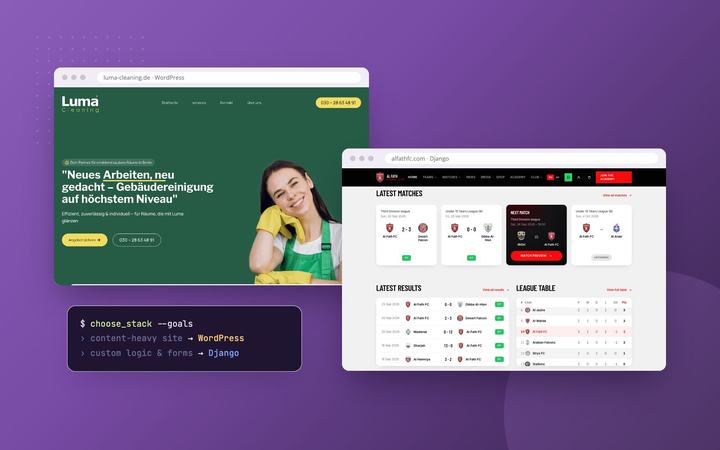
The biggest risk with multilingual sites is that one language gets updated and the others quietly go out of date. A good CMS setup shows editors which pages need translation and keeps the structure in sync. We use WordPress multisite or Wagtail's localisation features depending on the project.
Is it worth it?
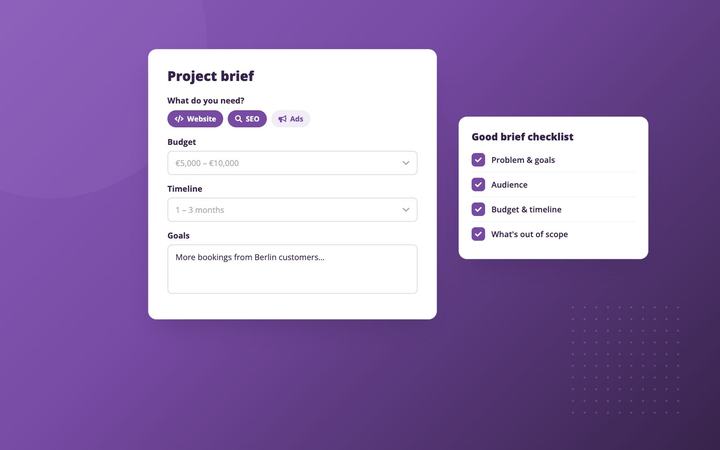
If a meaningful share of your customers speaks another language at home, almost certainly yes. Combine it with ads in the same language and you reach an audience your competitors often ignore. Curious what it would take for your site? Send us a short brief.